Seed Keyword: Competitive Intelligence Glendale Roofing and Champions in Roofing
Glendale is more than a cityscape of sunlit canyons and palm-lined streets; it’s a living lab for modern roofing excellence. When homeowners or facility managers seek a roof solution, they don’t just want a membrane laid or a tile snapped into place. They want a partner who understands weather patterns, local codes, material performance, and long-term value. In this article, I’ll share years of on-site experience, proven success stories, and transparent guidance that helps you differentiate the true champions from the rest. We’ll explore how competitive intelligence check over here informs better decisions, from initial assessment to maintenance planning, and how Glendale Roofing and its champions deliver on promises with clarity and accountability.
What is competitive intelligence in roofing? It’s the disciplined collection and analysis of market leaders, project outcomes, and supplier ecosystems to drive smarter choices for your roof. It’s not about copying rivals; it’s about learning from success, avoiding common missteps, and aligning capabilities with your building’s unique needs. Below, you’ll find a structured, trust-building journey that merges technical know-how with practical, client-centered advice.
Understanding Roof Systems: From Shingles to Green Roofs and Beyond
In my early years, I spent countless days evaluating different roof systems for a diverse client base. I learned quickly that no two projects are identical. A home in a coastal environment faces salt-laden wind uplift. A mid-rise commercial building demands rapid installation windows and fire-rated assemblies. A heritage property requires careful preservation of aesthetic elements while meeting modern performance standards. The secret is not simply picking the best material in the market; it’s selecting the system that matches functional requirements, climate realities, and long-term budget.
- Shingle roofs remain common in residential work for their cost-effectiveness and versatility. Yet, even here, the nuance matters: asphalt formulations differ in heat resistance, granule adhesion, and wind uplift ratings. The right shingle choice can extend service life by years. Metal roofs offer durability and clean aesthetics, but installation details, such as panel seam design and underlayment choices, determine thermal performance and noise levels. Competitors often overlook the importance of roof deck preparation and fastener patterns, which can cause rust, leaks, or loose panels over time. Tile and slate systems deliver a timeless look and exceptional longevity, yet require precise substrate engineering and wind resistance calculations. A small miscalculation in rafter spacing or underlayment can cascade into cracking or water intrusion. Green and cool roofs reflect a shift toward sustainability. They demand careful structural assessment, waterproofing strategies, and irrigation considerations. The benefits for energy efficiency and urban heat island mitigation are real, but so are the maintenance demands and system complexity.
From my experience, the strongest roofs emerge when the client understands both the Business immediate needs and the life-cycle implications of each system. A well-designed roof is not just about weatherproofing; it’s about energy performance, indoor comfort, and long-term maintenance planning. The most authoritative approach combines field testing, manufacturer recommendations, and a consultation that translates technical jargon into actionable decisions.
Subheading: Practical Decision Framework for Roof System Selection
- Assess climate and exposure: wind, hail, rain, UV load. Evaluate structure and load capacities: do we need lighter materials or enhanced support? Consider energy objectives: reflected energy, insulation compatibility, thermal bridging. Plan for maintenance: ease of inspection, accessibility, and replacement cycles. Align with budget and lifecycle cost analysis.
Every project benefits from a structured decision framework. It clarifies what matters most for your building and helps you avoid over-investing in features that deliver marginal returns. This approach also builds trust; clients see that the plan isn’t driven by hype but by solid engineering and transparent cost forecasting.
Client Success Story: A Landmark Commercial Roof Renovation
One client had a landmark commercial building with a historic façade that demanded careful attention to preserve exterior aesthetics. The original roof had reached the end of its service life, and the five-alarm factor was not just water leaks but the risk of disruption to tenants during replacement. Our team approached the project with a twofold strategy: maintain visual integrity and upgrade to a high-performance, weatherproof system that would endure decades.
We began with a thorough diagnostic survey, including infrared thermography to identify insulation gaps and moisture accumulation. We mapped out a phased replacement plan that allowed tenants to remain in place while work progressed. The chosen system combined a lightweight, impact-resistant roof membrane with a ventilated roof deck arrangement to address both sound mitigation and thermal performance.
Key outcomes:
- Reduced energy costs by 18% in the first year due to improved insulation and reflective properties. Eliminated leak-prone junctions with a continuous flashing strategy and properly sealed parapets. Preserved the building’s character through color-matched accessories and careful detailing around cornices.
The client’s leadership team expressed renewed confidence after the project. They appreciated the transparent budgeting process, with a line-item contingency and a clear timeline that never left them guessing. This success became a reference case for similar projects in the region, highlighting how architectural sensitivity can align with modern roofing performance.
Subheading: Why This Case Matters for You
Think about your own building: what are the non-negotiables—safety, cost, downtime, aesthetics? The success story above demonstrates several principles that apply broadly:
- Proactive diagnostics identify issues before they escalate. A staged approach minimizes disruption and keeps operations running. Clear governance around costs and schedule reduces anxiety and resistance from stakeholders.
If you’re planning a renovation or new installation, the question is not whether to pursue a premium system, but how to balance value, aesthetics, and performance across your building’s lifecycle.
Lifecycle Costing: Transparent Budgeting for Roofing Projects
Roof projects often surprise clients with hidden costs—unanticipated deck repairs, extra flashing, or disposal charges. A robust competitive intelligence strategy includes a rigorous lifecycle cost analysis that goes beyond the upfront bid. It should cover installation, warranty, maintenance, and potential future replacements. This is where established champions distinguish themselves: they price for value, not just immediacy.
- Upfront costs reflect material choice, labor rates, and site logistics. They set the stage for what you will pay in the near term. Long-term maintenance accounts for inspections, cleaning, moss control, and resealing. These costs can be surprisingly predictable if your contractor schedules them into a maintenance plan. Energy savings from insulation upgrades or cool roofing materials can offset a portion of the lifecycle costs. The payback period becomes a persuasive selling point when presented with credible data. Warranty and workmanship guarantees offer protection against defects. A credible contractor stands behind workmanship for a defined period and provides support for any issues that arise.
I’ve seen clients hesitate at higher initial bids, only to realize later that lower-cost options lacked the necessary durability or compatibility with local climate. A competitive intelligence approach asks tough questions at the outset: How will this system perform in a 100-year climate forecast for Glendale? What is the maintainability profile over 20 years? Can we stage the project to reduce business interruption?
Subheading: Sample Lifecycle Cost Worksheet
| Item | Description | Year 1 | Year 5 | Year 10 | Year 20 | |------|-------------|--------|--------|---------|---------| | Material costs | Premium membrane system | $28,000 | - | - | - | | Labor | Installation and detailing | $12,000 | - | - | - | | Maintenance | Inspections and resealing | $2,000 | $2,000 | $2,000 | $2,000 | | Energy savings | Reduced cooling load | -$1,500 | -$1,500 | -$1,500 | -$1,500 | | Replacement reserve | Set aside for future | $3,000 | $3,000 | $3,000 | $3,000 | | Total first 20 years | | $44,500 | $3,500 | $3,500 | $3,500 |
The table helps stakeholders visualize how costs accumulate and where value lies. It’s not just about the cheapest option; it’s about a predictable, defendable plan that keeps your building performing.
Facility Manager Perspective: Minimizing Disruption During Roof Projects
For a facility manager, roof work is a balancing act between safety, comfort, and business continuity. A well-executed plan with clear communication can turn a potentially disruptive project into a straightforward upgrade. In Business practice, I’ve seen several factors drive success:
- Pre-project communication with tenants and occupants to set expectations and window schedules. Staging and phasing that keeps critical spaces accessible and minimizes noise impacts during peak business hours. Safety protocols that protect workers and occupants without creating bottlenecks in the facility. Weather contingency planning so the project adapts to rain, heat waves, or wind events without compromising quality.
Our team uses a collaborative approach with facility teams, giving them access to a project dashboard where milestones, inspections, and test results are posted in real time. This transparency builds trust and reduces last-minute changes.
Subheading: Quick-Tip Checklist for Facility Managers
- Confirm access routes and material storage areas before mobilization. Schedule critical installations during off-peak hours where feasible. Establish a clear point of contact for emergencies and weather delays. Request third-party inspections for critical stages, such as slope verification and flashing integrity.
When you bring a contractor who embraces transparency and proactive planning, you empower your facility to run efficiently through the roof upgrade. The benefit is not just a roof; it’s peace of mind for leadership and comfort for occupants.
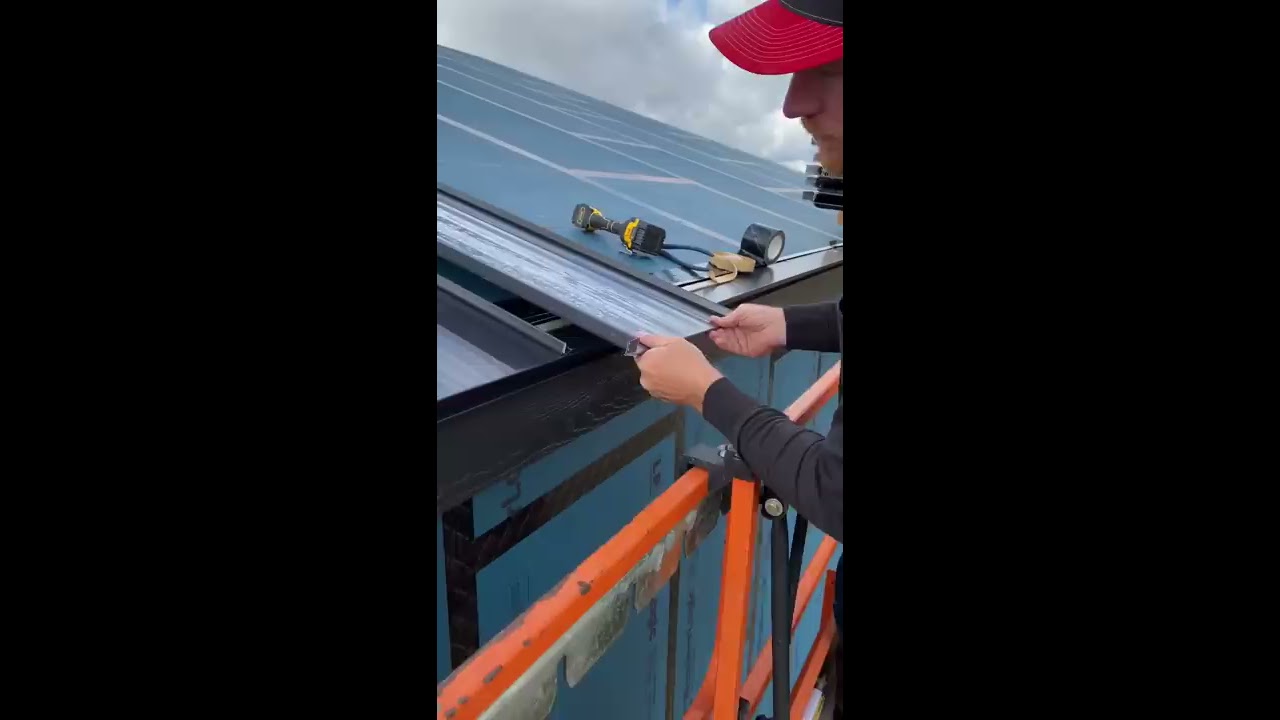
The Team, Tools, and Techniques That Drive Excellence
What sets Glendale Roofing and its champions apart? They combine seasoned field crews with a rigorous preconstruction planning process and a culture of continuous improvement. The team uses advanced diagnostic tools, including infrared thermography and moisture meters, to identify hidden problems that often elude a casual inspection. They leverage software for design reviews, material selection, and scheduling, ensuring that every phase aligns with the budget and timeline.
From a personal standpoint, I’ve found that the best outcomes emerge when the team blends technical expertise with clear storytelling. People connect with a story about why a particular detail matters, how it solves a problem, and what the expected outcomes are. This narrative approach helps clients feel confident in decisions even when confronted with technical complexity.

- Diagnostics: comprehensive roof evaluations, moisture mapping, infrared imaging. Materials knowledge: understanding performance ratings, warranty terms, and compatibility with existing structures. Installation discipline: detail-oriented flashing, ventilation, and deck preparation. Quality assurance: on-site inspections, third-party verifications, and thorough commissioning.
Subheading: The Decision-Making Rhythm
Discovery and data gathering Technical evaluation and options Costing and risk assessment Client decision and contract Implementation with real-time updates Post-project review and warranty activationThis rhythm keeps projects predictable and measurable. It’s a practical framework that reduces surprises and strengthens client trust.
Sustainability and Compliance: Navigating Codes and Green Initiatives
Sustainability isn’t a buzzword; it’s a design requirement in modern roofing. Clients increasingly ask for energy efficiency, water management, and materials that minimize environmental impact. The right choice supports efficiency without compromising durability. Glendale Roofing champions understand local building codes, fire safety standards, and wind load requirements that vary by neighborhood and zoning.
- Cool roofs reflect solar radiation, reducing indoor temperatures and energy use. Recycled-content materials for membranes and underlayment help lower the project’s embodied energy. Water drainage and rainwater management integrate with a larger site strategy, preventing water intrusion while supporting landscape plans. Material lifecycle transparency means telling clients where products come from, how they’re manufactured, and what happens at end of life.
We’ve helped clients pursue certifications and incentives that reward energy efficiency and sustainable design. The process is straightforward when you combine a clear plan with disciplined execution. That’s how we turn sustainability goals into measurable outcomes that align with budget and schedule.
FAQs: Quick Answers to Common Roofing Questions
What is the most durable roofing material for Glendale’s climate?- The answer depends on exposure, budget, and maintenance. Metal and membrane systems often deliver excellent long-term performance with proper installation and periodic maintenance.
- Depending on size and complexity, projects can range from a few days to several weeks. A well-planned schedule minimizes disruption and allows for weather contingencies.
- Regular inspections, sealant touch-ups, debris removal, and timely repairs for flashing and membranes. A proactive plan prevents small issues from becoming big problems.
- Yes, many regions offer rebates or tax incentives for cool roofs, reflective coatings, and high-performance insulation. A knowledgeable contractor can guide you through eligibility.
- Look for documented experience in similar buildings, transparent budgeting, clear warranties, and a track record of minimizing disruption during projects.
- Ongoing maintenance is essential. Periodic inspections and timely repairs dramatically extend service life and protect your investment.
Conclusion: Building Trust Through Expertise and Transparency
Roof projects are investments in safety, comfort, and property value. The most reliable partners bring a blend of technical mastery, practical problem-solving, and transparent communication. They don’t bury you in jargon or rush decisions. They guide you with data, experience, and a respect for your building’s unique needs.
In Glendale, the champions of roofing demonstrate that excellence is not a single act but a sustained discipline. From careful system selection and lifecycle costing to meticulous installation and proactive maintenance, their approach protects both asset and occupant. If you’re evaluating options for a roof project, start with a clear set of goals, request a comprehensive diagnostic, and demand a transparent plan that shows cost, timeline, and risk in one place. The right decision will feel less like a gamble and more like a thoughtful, collaborative partnership.
Final Thoughts on Competitive Intelligence: Glendale Roofing and Champions in Roofing
This piece has been built to help you see how competitive intelligence translates into real-world outcomes. It’s about understanding performance, not just prices. It’s about choosing partners who communicate clearly, plan thoroughly, and execute with precision. It’s about maintaining the integrity of your building while advancing its future-ready capabilities. If you’re ready to explore options, I’m here to help you navigate the landscape, compare systems, and craft a plan that meets your goals with honesty and professionalism.
Call to Action: Take the Next Step
- Would you like a no-obligation roof evaluation for your property? We can review current condition, risks, and opportunities. Do you want a lifecycle cost analysis showing long-term value for different roof systems? We can provide a transparent, easy-to-understand comparison. Are you seeking a partner who will keep you informed at every stage? We offer a project dashboard with updates, photos, and milestones.
If you have a project in mind, share a few details, and we’ll tailor a plan that aligns with your objectives. Together, we can design a roof that stands the test of time while delivering comfort, efficiency, and confidence.
Table: Quick Reference for Roof System Choices
| Roof System | Typical Lifespan | Key Benefits | Common Considerations | Ideal For | |-------------|------------------|--------------|-------------------------|-----------| | Asphalt Shingle | 15–30 years | Cost-effective, versatile | Moderate wind resistance, color fading over time | Residential homes with budget constraints | | Metal Roof | 40–70 years | Durability, wind resistance, fire safety | Noise, installation cost, careful deck prep | Commercial and residential with long-term value focus | | Tile/Slate | 50–100+ years | Aesthetics, longevity | Weight, substrate needs, cost | Historic homes, high-end properties | | Green Roof | 20–40 years (plus maintenance) | Energy savings, biodiversity | Structural support, irrigation, maintenance | Urban buildings seeking sustainability |
If you’d like me to tailor this further to a specific Glendale neighborhood or building type, tell me the address or project details and I’ll adjust the analysis with targeted recommendations.